

Key Summary:
Minimally invasive spine procedures use smaller incisions and specialised instruments to treat selected spinal conditions while reducing damage to surrounding muscles and tissues. Current evidence suggests these techniques can provide pain relief and functional outcomes comparable to traditional open surgery for appropriately selected patients, with the added benefits of shorter hospital stays, faster recovery, and lower complication rates. Learn which procedures are available, who may benefit, and what factors influence treatment success.
Minimally invasive spine procedures have changed the way many spinal conditions are treated. Instead of large incisions and extensive muscle dissection, these techniques use specialised instruments and smaller surgical openings to access the affected area while preserving more of the surrounding tissues.
For carefully selected patients, minimally invasive procedures can achieve similar long-term outcomes to conventional open surgery while offering benefits such as less postoperative pain, shorter hospital stays, and a quicker return to daily activities.
Here’s what current evidence tells us about their success rates and when they may be appropriate.
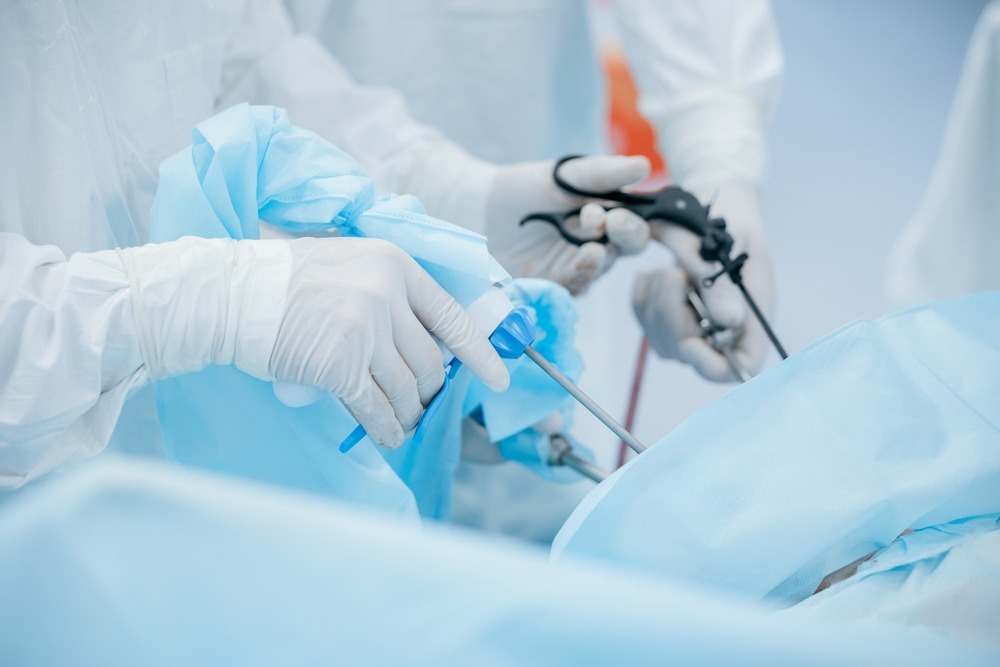
Why More Patients Are Choosing Minimally Invasive Procedures
Minimally invasive techniques preserve paraspinal muscle integrity, critical for long-term spinal stability and pain-free function. Traditional open surgery cuts through 10-15cm of muscle causing atrophy and chronic pain in 20-30% of patients. MISS approaches through natural tissue planes reduce immediate postoperative pain by 50-70%, narcotic requirements by 60%, and enable same-day or next-day discharge for 85% of cases.
Procedure-Specific Information
1. Endoscopic Discectomy (Uniportal)
What it is: Endoscopic discectomy removes the portion of a slipped disc that is pressing on a nerve using a small camera and specialised instruments inserted through a very small incision.
Common uses: It is most often performed for patients with persistent sciatica caused by a lumbar disc herniation that has not improved with conservative treatment.
Current evidence: Studies have shown high rates of pain relief and patient satisfaction, with many patients returning to normal activities sooner than after traditional open surgery.
- 85-92% leg pain resolution at 6 weeks
- 88% patient satisfaction at 2 years
- Reoperation rate: 3-5% vs 10-12% open
- 92% return to work by 4 weeks
2. Minimally Invasive Laminectomy (Tubular)
What it is: A minimally invasive laminectomy removes a small portion of bone and thickened tissue that is compressing the spinal nerves, creating more space within the spinal canal.
Common uses: It is commonly used to treat lumbar spinal stenosis causing leg pain, numbness, or difficulty walking.
Current evidence: Research suggests similar improvements in pain and walking ability compared with open surgery, while reducing blood loss, muscle injury, and hospital stay.
- 78-85% ODI (Oswestry Disability Index) improvement at 1 year
- Blood loss: 50cc vs 400cc for an open procedure
- Hospital stay: 1.2 days vs 5.3 days for an open procedure
3. MIS Transforaminal Lumbar Interbody Fusion (TLIF)
What it is: MIS TLIF is a minimally invasive spinal fusion procedure that stabilises the spine by removing the damaged disc, placing a small implant (cage) between the vertebrae, and securing the bones with screws through small incisions. Compared with traditional open fusion surgery, this approach minimises disruption to the surrounding muscles and soft tissues.
Common uses: It may be recommended for patients with spinal instability, degenerative spondylolisthesis, recurrent slipped discs, or severe degenerative disc disease when non-surgical treatments have not provided adequate relief.
Current evidence: Studies have shown that MIS TLIF provides similar long-term outcomes to conventional open fusion surgery, with high fusion rates and significant improvements in pain and function. Patients also tend to experience less blood loss, shorter hospital stays, and a faster recovery compared with traditional open procedures.
- Pseudarthrosis: 8-12% vs 20-25% open
- Leg pain resolution: 82-88%
- Donor site pain eliminated (no iliac graft)
- 85% solid fusion at 12 months CT
MISS Procedure Comparison
Procedure | Success Rate | Hospital Stay | Complication Rate | Return to Work |
Endoscopic Discectomy | 85-92% | 0-1 day | 3-5% | 4 weeks |
Tubular Laminectomy | 78-85% | 1-2 days | 5-8% | 6 weeks |
MIS TLIF | 80-88% | 1-3 days | 8-12% | 8-12 weeks |
Open Discectomy | 82-88% | 3-5 days | 10-15% | 8-12 weeks |
Open Fusion | 70-80% | 5-7 days | 15-25% | 12-16 weeks |
Patient Selection Drives Success
Patients are more likely to achieve good outcomes when:
- – Symptoms match MRI findings
- – One or two spinal levels require treatment
- – Conservative treatment has been unsuccessful
- – They are medically fit for surgery
- – They have realistic expectations about recovery
Complication Profile: MISS vs Open
Complication | MISS Rate | Open Rate | Reduction |
Infection | 0.6-1.2% | 3-5% | 75% |
Durotomy | 3-5% | 8-12% | 50% |
Blood transfusion | 0.2% | 5-8% | 95% |
Chronic pain | 8-12% | 20-25% | 55% |
The Role of Specialist Pain International
At Specialist Pain International Clinic, patients with persistent back pain or sciatica undergo a thorough assessment to determine whether non-surgical treatment or referral for minimally invasive spine surgery is the most appropriate option.
Many patients improve with image-guided spinal injections, rehabilitation, and other pain management strategies without requiring surgery. When surgery is indicated, patients can be referred to the appropriate spinal surgeon, with pain management continuing before and after the procedure as part of a multidisciplinary approach.
Links:
- https://int.livhospital.com/crucial-minimally-invasive-spine-surgery-success-rate/
- https://www.laspinedoc.com/spine-surgery-in-2026/
- https://newjerseyspinespecialist.com/the-rise-of-minimally-invasive-spine-surgery-in-2026/
- https://www.spinalsurgerynews.com/2026/01/minimally-invasive-spine-surgery-devices-transforming-spinal-care-with-precision-and-faster-recovery/153305
- https://www.technavio.com/report/minimally-invasive-spine-surgery-market-industry-analysis
- https://www.archivemarketresearch.com/reports/minimally-invasive-spine-surgery-140847
- https://www.industryarc.com/Research/Minimally-Invasive-Spine-Surgery-Market-Research-501896
- https://www.beckersspine.com/spine/what-will-define-spine-in-2026-22-predictions/
- https://www.linkedin.com/pulse/singapore-minimally-invasive-spine-surgery-market-intelligence-mcdle