Mt. Elizabeth Novena Medical Centre 38 Irrawaddy Road, #09-43 Singapore 329563

Mt. Elizabeth Novena Medical Centre 38 Irrawaddy Road, #09-43 Singapore 329563

Back Pain That Won’t Go Away? Understanding Your Treatment Options

Back pain can affect your daily life, especially when it persists despite rest, physiotherapy, or medication. In many cases, ongoing or recurring back pain may require a more detailed assessment to identify the underlying cause. At Specialist Pain International, we focus on non-surgical, minimally invasive approaches to help patients manage pain, improve function, and return to daily activities.

Are You Suffering from Chronic Back Pain? That Isn’t Improving?

Chronic back pain can affect your daily life, especially when it persists despite rest, physiotherapy, or medication. In these cases, further assessment may be needed to identify the underlying cause and determine appropriate treatment options.

Here are some signs your back pain may need further evaluation:

You may want to see a pain specialist if you experience:
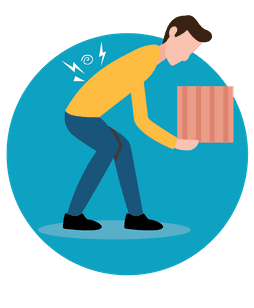
  • Back pain that does not improve despite rest, physiotherapy, or medication
  • Numbness or weakness in your legs
  • Problems with bowel or bladder control
  • Fever or feeling unwell alongside your back pain
  • Regular use of steroid medication
  • A history of cancer or osteoporosis

You should consider a specialist assessment if your back pain:

  • Does not improve despite rest, physiotherapy, or medication
  • Persists beyond 3 to 4 weeks or keeps recurring
  • Interferes with daily activities or work

How Chronic Back Pain Is Assessed and Treated

Chronic back pain can have multiple underlying causes, and effective treatment begins with identifying the source of pain. In some cases, persistent symptoms may require a more detailed assessment to guide appropriate care.
Treating pain effectively first requires an accurate diagnosis, which is not always as straightforward as it seems. A structured approach that combines accurate diagnosis with targeted treatment can help improve function and reduce long-term pain.
At Specialist Pain International, back pain is managed through:

Non-Surgical Treatment Options

Including physiotherapy, targeted injections, and image-guided procedures tailored to the underlying cause.

Accurate Diagnosis and Root Cause Identification

Advanced diagnostic methods are used to identify the source of pain and guide targeted treatment.

Structured, Personalised Treatment Plans

Care plans may include a combination of rehabilitation, lifestyle guidance, and minimally invasive procedures.

Integrated Care and Ongoing Support

Patients are supported through a coordinated approach that focuses on long-term function and recovery.

Treatment Options for Back Pain: From Conservative Care to Advanced Procedures

Treatment depends on the underlying cause and severity of your condition, and may range from conservative approaches to minimally invasive procedures and, in some cases, surgery.

Improving Function and Quality Of Life with Back Pain Treatment

Stay active in sports and movement without discomfort

Improve focus and productivity at work

Spend time with loved ones without pain limitations

Regain confidence in your physical ability
Who We Are

Specialist Pain International is a specialist pain clinic in Singapore focused on diagnosing and treating complex and persistent pain conditions. We adopt a multidisciplinary approach that combines medical care, rehabilitation, and minimally invasive treatments to improve function and quality of life.
Led by Dr Nicholas Chua, Medical Director at Specialist Pain International, the clinic provides advanced non-surgical pain management for conditions such as back pain, neck pain, and post-injury pain. Treatment is tailored to each patient, with a focus on identifying the root cause and guiding appropriate care.

Example of Chronic Back Pain Presentation and Management

The following is a typical example of how chronic back pain may present and be managed.

Patient Presentation

Sustained A Fall & Developed Chronic Back Pain

  • Ms M, a 45-year-old, who sustained a fall
  • Developed lower back pain that disrupted her daily life and affected her ability to work
  • Severe pain caused her to avoid social activities, leading to her feeling depressed.

Symptoms

Pain In Lower Back and Legs

  • Lower back pain progressively became more severe and spread to her upper thighs
  • The pain worsened whenever she bent forward as well

Progression Over Time

Struggled With Back Pain for 2 Years

  • Experienced pain for 2 years
  • Attempted to treat it by consulting a chiropractor, but no progress after 20 sessions
  • Following this, she consulted Dr Chua

Treatment Approach

Diagnosed Root Cause & Treated Pain

  • Ms M experienced a quick recovery within a few weeks of undergoing treatment
  • Dr Chua first used the latest diagnostic methods known to accurately diagnose her pain
  • She was then treated with Radiofrequency Annuloplasty, leading to a fast recovery with minimal pain

Insurance and Payment Information

Insurance Coverage and Claims Assistance

Specialist Pain International (SPI) is accredited with major insurance panels. Our clinic team can assist with insurance claims for personal accident, hospitalisation, and travel policies.
We aim to make the process of receiving treatment and managing claims as smooth as possible for patients.
Coverage and claim processes may vary depending on your policy. Our team will guide you through the necessary steps.
specialist pain international insurance panel

Book an Appointment

Leave your details in the form below and the Specialist Pain International team will get back to you shortly.

Leave your details in the form below and the Specialist Pain International team will get back to you shortly.

Frequently Asked Questions About Back Pain Treatment

Still unsure if you should see a pain specialist for your pain? We address some common questions about resolving pain and what we do below. Click the various questions to find out more!

Will I need surgery for my back pain?

Not all back pain requires surgery. In many cases, non-surgical treatments such as physiotherapy, medication, and minimally invasive procedures can effectively manage pain.

Surgery is typically considered only when other treatments have not worked or when there is a clear structural issue that requires intervention.

No, pain specialists do not only prescribe medication. Treatment focuses on identifying the root cause of pain and may include rehabilitation, lifestyle changes, and minimally invasive procedures.

Medication may be used as part of a broader treatment plan, but it is not the only approach.

Pain management does not have to be a last resort. Early assessment and treatment can help prevent pain from becoming chronic and improve long-term outcomes.

Seeking care earlier allows for more treatment options and better recovery.

You should consider seeing a pain specialist if your back pain does not improve after a few weeks, keeps recurring, or affects your daily activities.

Early assessment can help identify the cause and guide appropriate treatment.

Yes, many cases of back pain can be managed without surgery. Treatment may include physiotherapy, medication, and minimally invasive procedures depending on the underlying cause.