Key Summary:
Minimally invasive procedures like epidural steroid injections, radiofrequency ablation, and nerve blocks provide 50-80% pain reduction for 3-12+ months in most patients with spine, joint, and nerve pain, avoiding opioid dependence. Lifestyle shifts—targeted strengthening, posture correction, sleep optimisation—amplify these gains by 30-50%. Combined approaches at specialist centres like Specialist Pain International Clinic in Singapore with Dr Nicholas Chua achieve superior long-term outcomes over medications alone.
Chronic pain can be frustrating, especially when medications provide only temporary relief or come with unwanted side effects. Many patients reach a point where they find themselves relying on increasing doses of painkillers while still struggling with daily activities, sleep, or exercise.
The good news is that pain management is no longer limited to tablets alone. Advances in minimally invasive pain procedures now allow specialists to target pain more precisely, while lifestyle modifications help address the factors that continue to aggravate symptoms. When used together, these approaches often provide better and longer-lasting outcomes than medication alone.

Why Pills Often Fall Short
While medications remain useful in many situations, they often have limitations when used as the sole treatment for chronic pain. Medications provide temporary symptom suppression but rarely address underlying pain generators:
- – Opioids: 20-30% achieve meaningful relief; tolerance develops within months
- – NSAIDs: Stomach, kidney, and cardiovascular risks limit long-term use
- – Neuropathic agents: Sedation and cognitive effects reduce quality of life
- – Incomplete coverage: Many patients need multiple agents with diminishing returns
Minimally invasive procedures and lifestyle optimisation target pain mechanisms directly, often providing longer relief with fewer side effects.
Minimally Invasive Procedures: Precision Pain Relief
One of the most common misconceptions is that the next step after medication failure must be surgery. In reality, there is often a middle ground.
Minimally invasive pain procedures are performed as outpatient treatments and are designed to target specific pain generators with greater precision. Many patients experience meaningful pain reduction while avoiding the risks and recovery associated with major surgery.
Epidural Steroid Injections
Epidural steroid injections are commonly used when inflammation around a spinal nerve is causing pain to travel down the arm or leg. By delivering medication directly to the irritated area, they can provide meaningful relief and create an opportunity for rehabilitation and recovery.
- – 60-80% patients experience 50%+ pain reduction
- – Effective duration: 3-12 months per injection
- – Best for: Disc herniation, spinal stenosis, radiculopathy
- – Outpatient procedure (15-30 minutes) with fluoroscopic guidance
Radiofrequency Ablation (RFA)
Radiofrequency ablation uses controlled heat to interrupt pain signals travelling through specific nerves. It is commonly used for chronic back, neck, knee, and sacroiliac joint pain.
- – 70-80% achieve ≥50% relief lasting 6-24 months
- – Targets: Facet joints (back pain), genicular nerves (knee OA)
- – Repeatable every 6-12 months as nerves regenerate
- – Success improves with prior diagnostic nerve blocks
Peripheral Nerve Blocks
Peripheral nerve blocks temporarily interrupt pain signals from specific nerves. They are often used both diagnostically and therapeutically.
- – 75% diagnostic accuracy for treatment planning
- – Immediate relief guides next therapeutic steps
- – Common targets: Occipital (headaches), suprascapular (shoulder), genicular (knee)
Trigger Point Injections
Trigger point injections help release tight muscle bands that contribute to local and referred pain.
- – 60-70% immediate relief in myofascial pain
- – Often combined with physical therapy for lasting gains
- – Minimal downtime, repeatable as needed
Procedure Effectiveness Comparison
Procedure | Pain Reduction | Duration | Best Conditions | Repeat Frequency |
Epidural Steroid | 60-80% | 3-12 months | Radiculopathy, stenosis | 3-4x/year max |
Radiofrequency Ablation | 70-80% | 6-24 months | Facet syndrome, knee OA | Every 6-12 months |
Nerve Blocks (diagnostic) | 75% accuracy | Hours-days | Planning targeted Rx | Single use |
Trigger Point Injections | 60-70% | Days-weeks | Myofascial pain | PRN |
Lifestyle Shifts: Addressing Pain Triggers
Even the most effective procedure is unlikely to produce lasting results if the underlying contributors to pain remain unchanged.
Many cases of chronic pain are influenced by everyday habits, movement patterns, sleep quality, physical conditioning, and recovery. Addressing these factors helps patients maintain improvements achieved through medical treatment.
Posture and Movement Retraining
Poor ergonomics perpetuate 60-70% of chronic spine pain. Simple adjustments such as workstation optimisation, movement breaks, and improved body mechanics can significantly reduce strain on the spine and surrounding structures.
- – Desk setup optimisation reduces neck/shoulder loading 30-50%
- – “Big 3” daily movements (squat, hinge, brace) build resilience
- – Micro-breaks every 30 minutes prevent cumulative strain
Targeted Strengthening
Weakness predicts injury recurrence and pain chronicity. A structured strengthening programme can improve movement efficiency, reduce compensation patterns, and build long-term resilience.
- – Gluteal activation prevents lumbar compensation (40% back pain reduction)
- – Scapular stability eliminates shoulder impingement
- – Core bracing reduces disc pressure by 40% during lifting
Sleep Position Optimisation
Night pain affects 50% of chronic pain patients. Small adjustments to sleeping posture and pillow support can reduce strain on the neck and lower back.
- – Side sleeping with knee pillow maintains spinal alignment
- – Back sleeping with knee support reduces lumbar extension stress
- – Proper pillow height prevents cervical strain
Nutrition and Recovery
Nutrition plays a supportive role in tissue healing, inflammation management, and overall recovery. While diet alone will not eliminate chronic pain, optimising nutritional intake can complement other treatments and rehabilitation efforts.
- – Omega-3 fatty acids reduce joint inflammation markers 20-30%
- – Vitamin D optimisation prevents pain sensitisation
- – Protein adequacy supports muscle repair and maintenance
Lifestyle Impact Multiplier Table
Lifestyle Change | Pain Reduction Contribution | Synergy with Procedures |
Posture Retraining | 20-40% | Extends injection duration |
Targeted Strengthening | 30-50% | Prevents re-injury |
Sleep Optimisation | 15-25% | Improves daytime function |
Nutrition Support | 10-20% | Enhances tissue healing |
In Practice: A Combined Approach
In clinical practice, pain rarely has a single cause.
A patient with lower back pain may have a combination of disc degeneration, facet joint irritation, muscle tension, poor movement habits, and reduced physical conditioning. Treating only one component often leads to incomplete results.
This is why many pain specialists use minimally invasive procedures to create a therapeutic window of reduced pain, allowing patients to participate more effectively in rehabilitation, exercise, and lifestyle modification. The goal is not simply pain reduction, but helping patients regain function and confidence in daily life.
When to Transition from Lifestyle to Procedures
Clear Indicators for Specialist Referral
Lifestyle modifications are important, but there are situations where specialist assessment should not be delayed.
Consider seeking specialist evaluation if:
- – Pain persists >6 weeks despite optimised lifestyle
- – Night pain or rest pain develops
- – Neurological symptoms (numbness, weakness, radiating pain)
- – Function declines (stairs, walking >10 minutes, sleep disruption)
Specialist Pain International Clinic Integration
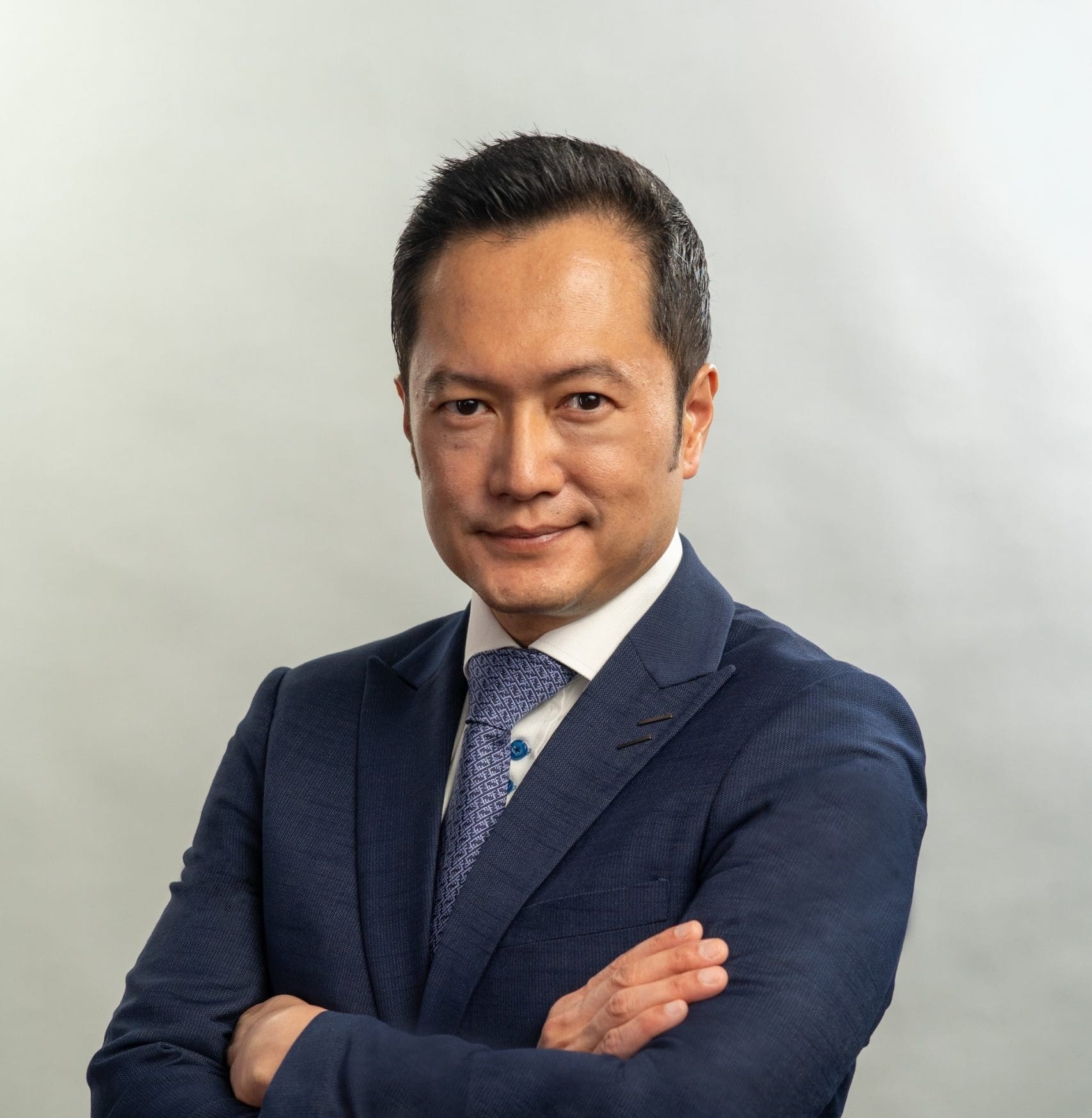
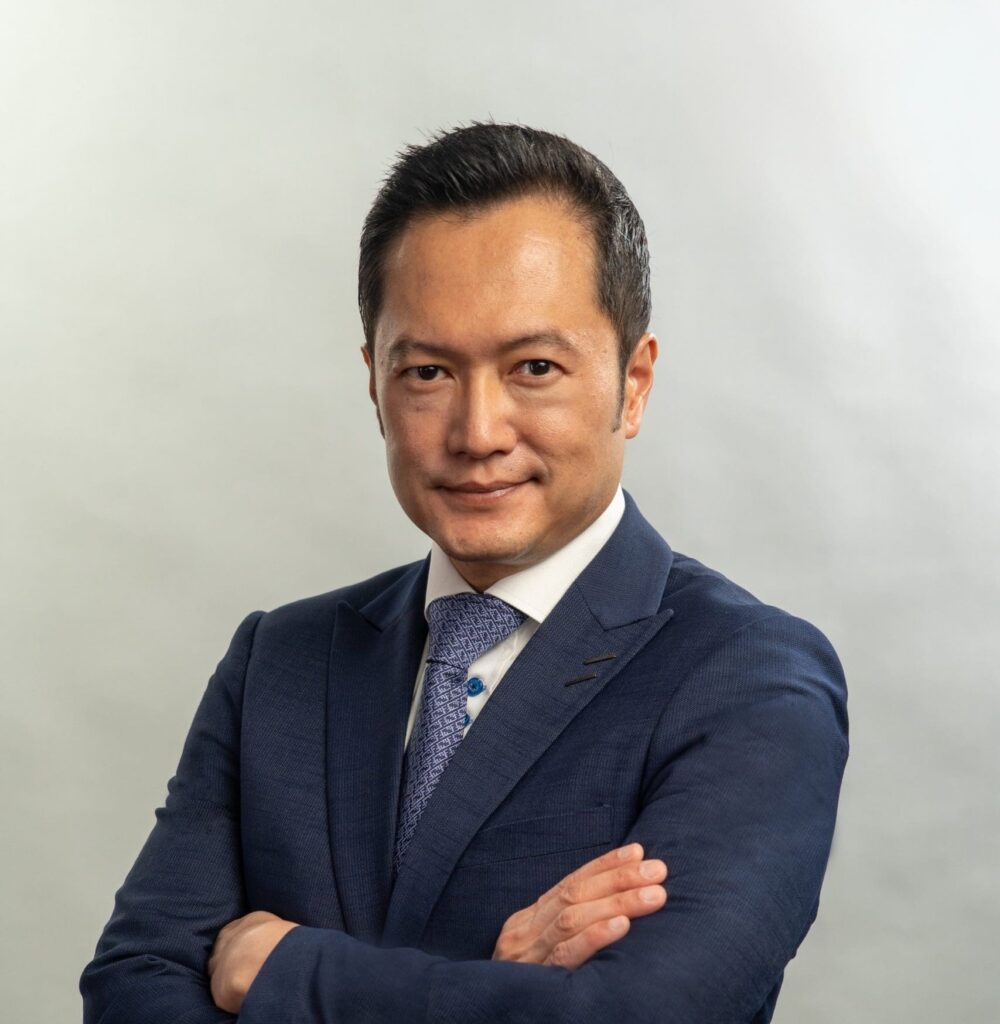
Specialist Pain International Clinic (SPI) in Singapore, led by Dr Nicholas Chua at Mount Elizabeth Novena, combines both approaches strategically:
- – Lifestyle audit identifies modifiable pain amplifiers
- – Diagnostic procedures clarify primary pain generators
- – Targeted interventions create “therapeutic windows” for rehabilitation
- – Long-term plans prevent procedure dependence through empowerment
The goal: Transition patients from acute intervention to sustainable self-management, using procedures as bridges rather than permanent solutions.
- https://regenespine.com/articles/minimally-invasive-pain-management-how-effective/
- https://pmc.ncbi.nlm.nih.gov/articles/PMC11613000/
- https://www.nyspinemedicine.com/blog/guides/how-effective-is-minimally-invasive-surgery-for-pain-management-in-nyc/
- https://www.mipain.com/blog/1332282-benefits-of-minimally-invasive-procedures-for-long-term-pain-relief
- https://pmc.ncbi.nlm.nih.gov/articles/PMC12128799/
- https://www.dfwinterventionalpain.com/blog/minimally-invasive-pain-management-procedures-explained
- https://www.neurosurgeonsofnewjersey.com/spinecenter/blogs/5-game-changing-minimally-invasive-treatments-for-back-pain-relief/
- https://www.drfanaee.com/blog/minimally-invasive-treatments-for-chronic-pain
- https://www.comprehensivepainmd.com/blog/common-minimally-invasive-pain-management-techniques