Key Summary:
Platelet-Rich Plasma (PRP) therapy uses concentrated platelets from your own blood to support healing in damaged tendons, ligaments, muscles, and joints. Because PRP is an autologous treatment, it has an excellent safety profile with a very low risk of allergic reactions or infection when performed using sterile, image-guided techniques. Success rates vary depending on the condition being treated, with many patients experiencing meaningful improvements in pain and function for conditions such as knee osteoarthritis, tennis elbow, plantar fasciitis, and chronic tendinopathies. Learn how PRP works, who is most likely to benefit, what recovery involves, and how Specialist Pain International Clinic provides ultrasound-guided PRP therapy as part of a personalised rehabilitation programme.
Introduction to PRP Therapy
Platelet-Rich Plasma (PRP) therapy uses a concentrated sample of your own blood to deliver growth factors that support healing in damaged tendons, ligaments, muscles, and joints. It has become an increasingly popular treatment option in Singapore for conditions such as sports injuries, chronic tendinopathies, and knee osteoarthritis.
If you are considering PRP, you may be wondering whether it is safe, how successful it is, and what recovery is like after treatment. Understanding how PRP works, who is most likely to benefit, and what to expect after the procedure can help you decide whether it may be an appropriate option alongside physiotherapy and other pain management treatments.
How PRP Therapy Works
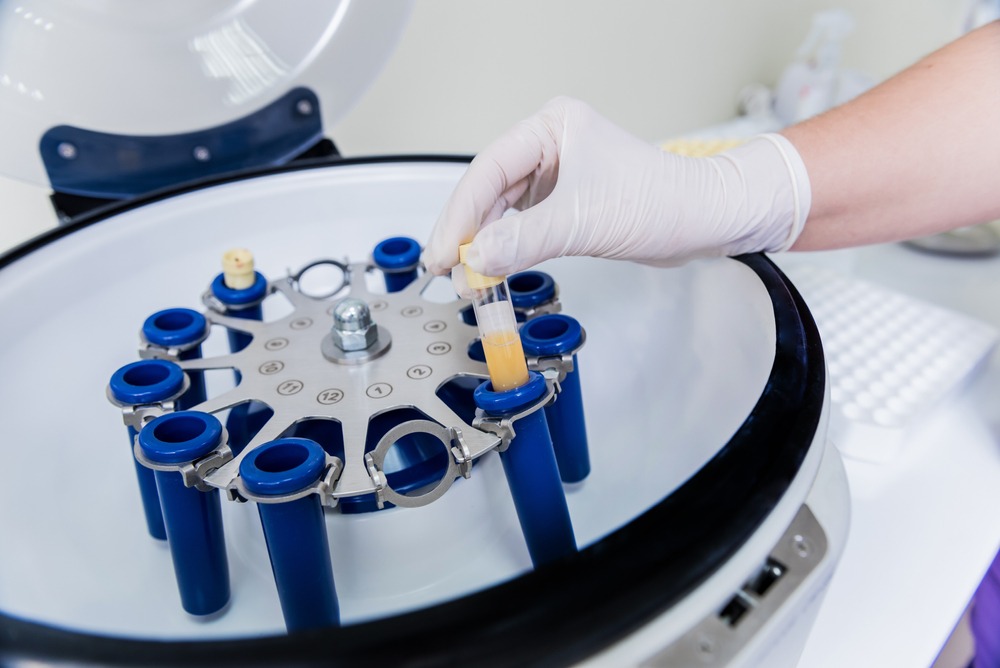
PRP treatment begins with a small sample of your blood. The blood is placed into a centrifuge, which separates and concentrates the platelets to approximately four to six times their normal level.
Platelets contain naturally occurring growth factors—including PDGF, TGF-β and VEGF—which help coordinate tissue repair. When injected into an injured tendon, ligament, or joint under ultrasound guidance, these growth factors stimulate collagen production, encourage new blood vessel formation, and support the body’s natural healing response.
Singapore PRP Preparation Standards:
High-quality PRP preparation typically includes:
- – Double-spin centrifugation to achieve a higher platelet concentration
- – Ultrasound-guided injections for accurate placement into the affected tissue
- – Appropriate platelet activation protocols based on the clinical indication
Safety Profile in Singapore Practice
One of PRP’s greatest advantages is that it uses your own blood (an autologous treatment). Because no donor tissue or medication is involved, the risks of allergic reactions and disease transmission are extremely low. When performed using sterile techniques and image guidance, PRP injections have an excellent safety profile.
Common side effects (self-limiting):
- – Injection site soreness (48-72 hours)
- – Mild bruising/erythema (resolves 3-5 days)
- – Transient swelling peaking on day 2-3
Rare complications (<1%):
- – Local infection (prevented by sterile technique)
- – Nerve irritation (ultrasound guidance minimises)
- – Tendon rupture (contraindicated in full tears)
PRP Success Rates by Condition
Success rates vary depending on the condition being treated, the severity of tissue damage, rehabilitation after the injection, and individual patient factors. In general, studies have reported encouraging outcomes for several common musculoskeletal conditions.
Condition | Success Rate | Sessions | Duration | Notes |
Knee Osteoarthritis (OA) | 65-80% | 3-4 | 6-18 months | Most common local use |
Achilles Tendinopathy | 60-75% | 3-5 | 6-12 months | Sports medicine staple |
Rotator Cuff | 70-80% | 2-4 | 9-18 months | Ultrasound-guided |
Plantar Fasciitis | 68-82% | 3 | 6-12 months | High local demand |
Tennis Elbow | 65-78% | 2-3 | 6-12 months | Quick response typical |
Who Benefits Most From PRP Therapy?
Optimal outcomes require precise patient selection:
Patients most likely to benefit include:
- – Mild-moderate degenerative changes
- – Chronic tendinopathy 3-12 months
- – Ultrasound-confirmed partial tears
Moderate benefit may be seen in:
- – Early osteoarthritis (K-L grade 1-2)
- – Chronic calcific tendinopathy
PRP is generally less effective for:
- – Complete tendon rupture
- – Advanced joint destruction (K-L 4)
- – Systemic inflammatory arthropathy
What To Expect After A PRP Injection in Singapore
Day of treatment: Your doctor will first confirm the diagnosis, often using ultrasound to identify the affected tissue. A small sample of blood is then collected and processed to prepare the PRP before it is injected into the target area under ultrasound guidance.
Week 1–2: It is common to experience mild soreness or swelling as the body’s natural healing response begins. Your doctor may advise avoiding anti-inflammatory medications during this period while gradually resuming light activities as tolerated.
Week 3–6: As healing progresses, most patients begin a structured rehabilitation programme, including physiotherapy and strengthening exercises. Many people start noticing improvements in pain and function during this stage.
Months 3–6: Tissue healing and remodelling continue over the following months. Depending on your response and the condition being treated, your doctor may recommend additional PRP injections or ongoing rehabilitation.
The cost of PRP therapy varies depending on the condition being treated, the number of injections required, and whether ultrasound guidance is used. Your doctor can advise on the expected treatment plan and associated costs during your consultation.
Evidence-Based Management Approaches
Diagnostic Precision
Ultrasound identifies PRP candidates by visualising neovascularisation, partial tears, or early degenerative changes missed by MRI. Bloodwork excludes contraindications (active infection, thrombocytopenia, anticoagulation).
Combination Protocols
PRP is most effective when combined with a structured rehabilitation programme rather than being used as a standalone treatment. Depending on the condition, your doctor may recommend:
- – Physiotherapy to restore strength and movement
- – Shockwave therapy for selected chronic tendon conditions
- – Weight management and activity modification for knee osteoarthritis
- – Progressive loading exercises to support tendon healing
How Specialist Pain International Approaches PRP Therapy
At Specialist Pain International Clinic, PRP therapy is delivered as part of a comprehensive treatment plan rather than as a standalone injection. Every patient undergoes a detailed clinical assessment to confirm whether PRP is appropriate for their condition and to identify any factors that may influence treatment outcomes.
When indicated, PRP injections are performed under ultrasound guidance to improve precision and accurately target the affected tendon, ligament, muscle, or joint. Treatment is combined with an individualised rehabilitation programme, which may include physiotherapy, progressive strengthening exercises, and activity modification to support tissue healing.
Your recovery is monitored through regular follow-up appointments, allowing your treatment plan to be adjusted based on your progress. If needed, additional PRP sessions or complementary pain management treatments may be recommended to help optimise long-term outcomes.
- https://medicalchannelasia.com/sports-and-fitness/cutting-edge-technologies-revolutionising-sports-injury-treatment/
- https://www.drandrewdutton.com/plasma-rich-platelet-injection/
- https://www.apexsportsclinic.sg/platelet-rich-plasma-prp-treatment-singapore
- https://p-ortho.com/platelet-rich-plasma-prp/
- https://totalorthopaedic.com.sg/elbow-platelet-rich-plasma-prp-procedure/
- https://www.hcortho.sg/prp-injection/
- https://drplus.com.sg/platelet-rich-plasma-prolotherapy/
- https://www.singhealth.com.sg/tests-procedures/autologous-platelet-rich-plasma-injection
- https://drdennisng.asianhealthcare.com.sg/prp-injection-for-knee-in-singapore-what-to-expect/
- https://www.artisanorthopaedics.sg/treatments/prp