
Key Summary:
Common Singapore daily habits – prolonged MRT standing, carrying heavy grocery bags et cetera – silently worsen back pain for 1 in 3 working adults. Simple modifications may help reduce strain by 30-60%, but persistent symptoms benefit from specialist assessment at centres like Specialist Pain International Clinic in Singapore with Dr Nicholas Chua offering targeted injections and rehabilitation.
Singaporeans often blame ageing, exercise, or old injuries when back pain develops. However, many cases of persistent back discomfort are influenced by everyday habits that seem harmless on the surface.
Long commutes, hours spent at a desk, carrying groceries home, and even working in heavily air-conditioned environments can place repeated stress on the spine over time. Individually these habits may not seem significant, but together they can contribute to recurring pain and stiffness.
Here are four common Singapore lifestyle habits that may be quietly aggravating your back pain—and what you can do about them.
Singapore's Unique Back Pain Landscape
Urban density, tropical climate, and work culture amplify mechanical back stress:
- – 70% of professionals sit 6+ hours daily (highest globally)
- – Public transport reliance creates prolonged static postures
- – Carrying culture (bags, groceries without trolleys)
- – High humidity + aircon creates muscle tension cycles
These factors explain Singapore’s elevated chronic low back pain rates among working adults.
Hidden Saboteur #1: MRT/LRT Standing Posture
The Problem:
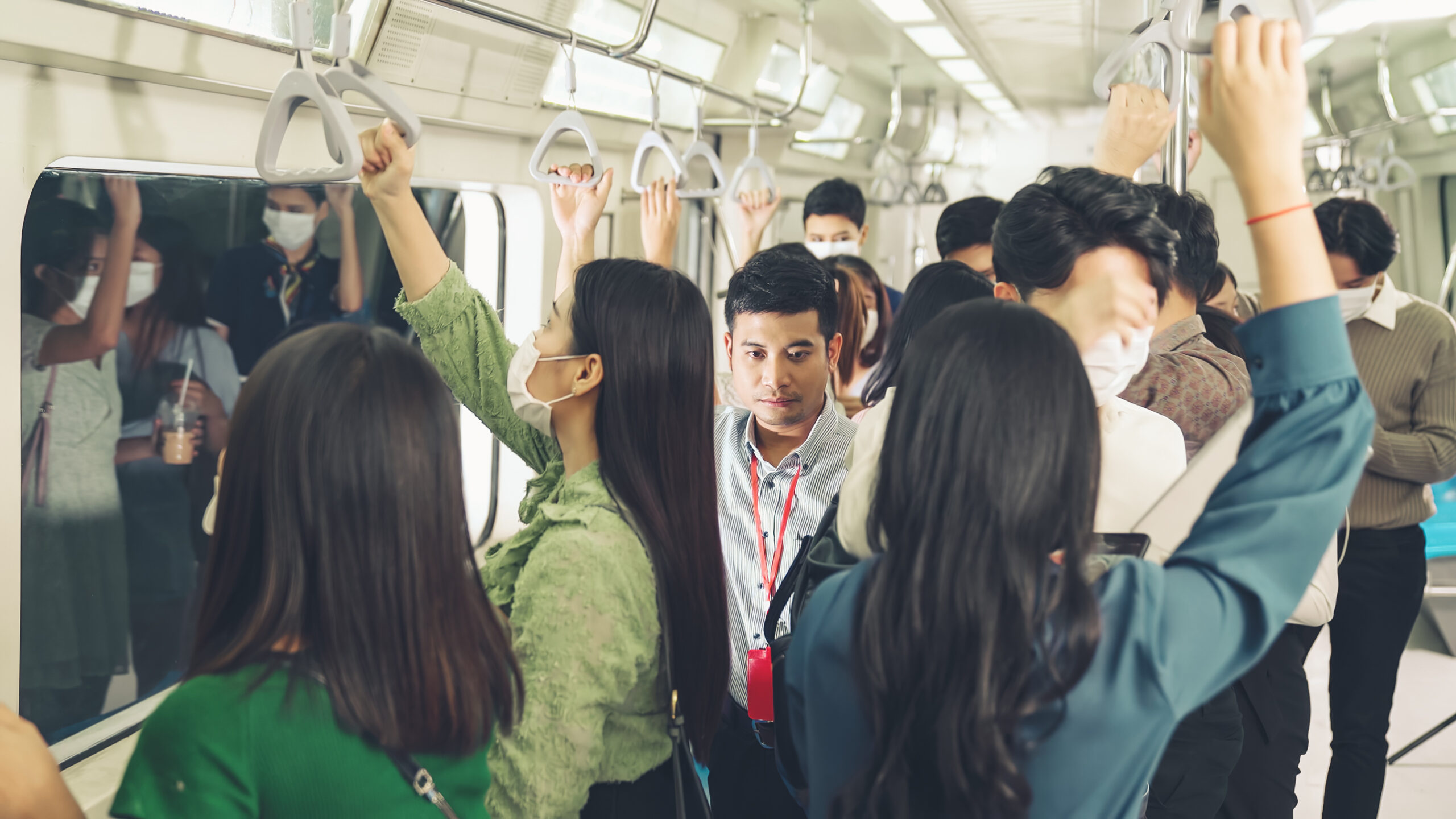
If you commute daily, think about how you usually stand on the train.
Many people spend 20 to 40 minutes gripping an overhead rail while leaning slightly forward or twisting to accommodate crowds. Over time, these positions can fatigue the muscles responsible for stabilising the spine and place unnecessary stress on the lower back.
Daily Impact: 3-4x normal disc pressure; 40% report low back fatigue post-commute.
Fix:
- – Lean against doors/poles when possible
- – Engage core (navel to spine) rather than locking knees
- – Shift weight foot-to-foot every 2 minutes
- – Consider lumbar support belt for 45+ minute commutes
Hidden Saboteur #2: Grocery Bag Imbalance
The Problem:
A quick grocery run may not seem like a workout, but repeated uneven loading can gradually strain the spine.
Carrying heavy NTUC FairPrice or wet market bags (8-12kg) creates asymmetric spinal loading. Right-hand dominance + left-side wallet/purse = constant rotation stress.
Daily Impact: 25% increased facet joint loading; cumulative micro-trauma over weekly shopping.
To reduce strain:
- – Split load evenly both hands, or use a backpack
- – Consider a trolley/cart for heavier loads
- – Limit single-trip loads to 5kg/side
- – Lift with your legs rather than bending at the waist
Small changes in carrying habits can significantly reduce cumulative stress on the lower back over time.
Hidden Saboteur #3: Office Chair Sag
The Problem:
80% of Singapore office chairs lack proper lumbar support or height adjustment. Sitting compresses lumbar discs 30% more than standing; poor support forces protective muscle spasm. After sitting in the same chair for months or years, many workers simply adapt to poor support without realising it.
Daily Impact: 6-8 hours = 40-50% increased intradiscal pressure vs ergonomic chairs.
Quick Fixes:
- – Put a rolled towel/small cushion at lumbar curve
- – Keep feet flat on the floor or use a footrest
- – Positioning screens at eye level
- – Standing or walking briefly every 30 minutes
Hidden Saboteur #4: Aircon Muscle Guarding
The Problem:
Many office workers notice that their neck, shoulders, and upper back feel tighter at work than they do elsewhere.
While air-conditioning does not directly cause back pain, colder environments can encourage muscles to remain tense for prolonged periods. 18-22°C office aircon triggers unconscious shivering response—trapezius, erector spinae muscles contract continuously for warmth, creating tension headaches + back stiffness. Combined with desk work and stress, this can contribute to persistent stiffness and discomfort.
Daily Impact: 8-hour exposure = chronic upper back guarding; 60% report “aircon back.”
Practical strategies:
- – Wear a light cardigan/shawl for shoulder coverage
- – Taking movement breaks throughout the day
- – Stretching during prolonged sitting periods
- – Using heat therapy if muscles feel persistently tight
Singapore Habit Impact Summary
Habit | Daily Disc Pressure Increase | Weekly Cumulative Effect | Quick Fix Priority |
MRT Standing | 3-4x normal | Highest (commute volume) | ★★★★★ |
Grocery Carrying | 25% facet loading | High (weekend spikes) | ★★★★☆ |
Office Chair | 40-50% compression | Highest (hours seated) | ★★★★★ |
Market Lifting | 2-3x acute stress | Moderate (frequency) | ★★★★☆ |
Aircon Guarding | Muscle fatigue | High (office hours) | ★★★☆☆ |
When Daily Fixes Aren't Enough
Escalation Signs Requiring Specialist Care
Lifestyle adjustments can make a meaningful difference, but they are not always enough on their own.
Persistent back pain may indicate an underlying issue such as facet joint arthritis, disc-related pain, sacroiliac joint dysfunction, or nerve irritation.
Consider seeking specialist assessment if:
- – Pain persists despite 2 weeks habit modification
- – Morning stiffness >30 minutes
- – Pain radiates below the knee or causes numbness
- – Discomfort affects sleep quality
- – Strength loss (difficulty lifting light objects)
Specialist Pain International Clinic Approach
Specialist Pain International Clinic (SPI) in Singapore, led by Dr Nicholas Chua at Mount Elizabeth Novena, addresses Singapore-specific pain patterns:
- – Habit audits identifying local lifestyle triggers
- – Targeted interventions for facet, disc, SI joint pain
- – Image-guided procedures (epidurals, medial branch blocks)
- – Rehabilitation bridging daily fixes with structural healing
Links:
- https://pmc.ncbi.nlm.nih.gov/articles/PMC8950176/
- https://pmc.ncbi.nlm.nih.gov/articles/PMC10590571/
- https://repository.nie.edu.sg/server/api/core/bitstreams/92fb872f-8dc2-4c67-a193-f7db585704e8/content
- https://www.fonar.com/pdf/spine_vol_24.No.8.pdf
- https://www.semanticscholar.org/paper/Sitting-versus-standing:-does-the-intradiscal-cause-Claus-Hides/ec59d131da46d6c66b71d414715a5f0ae9115469
- https://pubmed.ncbi.nlm.nih.gov/7209680/
- https://core.ac.uk/download/pdf/80698743.pdf
- https://www.painscience.com/biblio/nachemsons-famous-(and-misinterpreted)-study-of-intradiscal-pressures-in-various-positions.html
- https://pmc.ncbi.nlm.nih.gov/articles/PMC11641771/
- https://spinehealth.org/article/spine-posture-workplace-ergonomics/
- https://www.physio-pedia.com/Office_Ergonomics_and_Neck_Pain
- https://pmc.ncbi.nlm.nih.gov/articles/PMC12749865/