

Key Summary:
Chronic pain conditions like osteoarthritis, back pain, and tendon problems often involve low‑grade inflammation, and research suggests that anti‑inflammatory eating patterns—richer in vegetables, fruits, whole grains, oily fish, and healthy fats, and lower in ultra‑processed foods and added sugars—can reduce pain and stiffness for a meaningful proportion of patients. Diet alone rarely replaces medical treatment, but 1 in 3 to 1 in 2 people report noticeable improvements in symptoms, energy, or function when combining dietary changes with exercise and, when needed, specialist care such as targeted injections and rehabilitation at clinics like Specialist Pain International Clinic in Singapore with Dr Nicholas Chua.
Living with chronic pain—whether from arthritis, long‑standing back issues, or repetitive strain—often prompts people to ask, “Is there something I can change in my diet to feel better?” Over the past decade, more studies have looked at how anti‑inflammatory eating patterns influence pain, stiffness, and general well-being. This guide explains what these diets are, what the evidence suggests, the realistic benefits and limits, and when diet is not enough on its own.
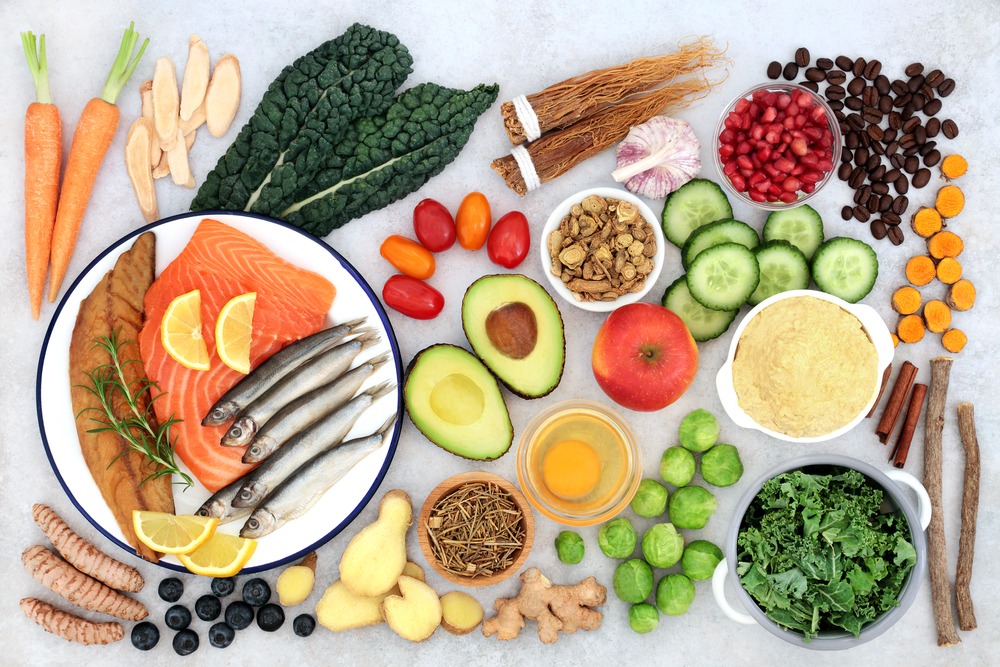
What Is an Anti-Inflammatory Diet?
Rather than a single strict plan, “anti‑inflammatory diet” usually describes a pattern of eating that supports lower levels of chronic, low‑grade inflammation in the body. Common features include:
Foods to eat more of:
- – Colourful vegetables and fruits (e.g. leafy greens, berries, tomatoes).
- – Whole grains (brown rice, oats, quinoa) instead of refined grains.
- – Healthy fats, especially olive oil, nuts, seeds, and avocado.
- – Oily fish rich in omega‑3 (salmon, sardines, mackerel).
- – Legumes (beans, lentils) and moderate amounts of lean protein.
Foods to limit:
- – Ultra‑processed meats, snacks, and ready meals.
- – Sugary drinks and high‑sugar desserts.
- – Refined carbohydrates (white bread, pastries) in large amounts.
- – Excess alcohol and deep‑fried foods.
These patterns are similar to well‑known approaches like the Mediterranean diet, which has been linked to better cardiovascular health and lower inflammatory markers in multiple populations.
How Food and Inflammation Relate to Pain
Low‑Grade Inflammation and Chronic Aches
Many chronic pain conditions—such as osteoarthritis, some forms of back pain, tendon problems, and even certain headaches—have an inflammatory component. While food is not the only factor, diets high in ultra‑processed foods and sugary drinks are associated with higher levels of inflammation, whereas diets rich in plant‑based foods and healthy fats tend to correlate with lower inflammatory markers in the blood.
Weight, Metabolism, and Joint Load
Diet also affects body weight, blood sugar control, and cholesterol profiles. Excess weight increases load on weight‑bearing joints such as the knees, hips, and spine, which can worsen pain even if the level of inflammation is not dramatically changed. Even a modest weight loss in people who are overweight can reduce joint loading and pain, especially in the knees.
Gut Health and Immune Response
Emerging research suggests that dietary patterns influence the gut microbiome, which can, in turn, affect immune activity and inflammation. While this area is still developing, it may partly explain why some people notice changes in pain and energy levels when they shift towards a more whole‑food, plant‑rich diet.
What Studies Suggest About Pain and Diet
Observed Benefits in Some Patients
Across different studies, anti‑inflammatory or Mediterranean‑type diets have been associated with:
- – Reductions in reported pain and stiffness for a proportion of patients with conditions like osteoarthritis or inflammatory arthritis.
- – Improved general well-being, energy, and sometimes sleep quality.
- – Better weight control and cardiovascular risk factors, which indirectly support joint and nerve health.
Not everyone experiences dramatic changes, but a meaningful group—often around 1 in 3 to 1 in 2 participants in some trials—report noticeable symptom improvements when they adhere to these diets over weeks to months, particularly when combined with physical activity.
Limitations
At the same time, diet is not a substitute for appropriate medical or interventional treatment when there is clear structural joint damage, significant nerve compression, or active inflammatory disease requiring specific medication. Many patients continue to experience pain even with a good diet, especially if they have advanced osteoarthritis or long‑standing spine problems. For them, diet is one helpful pillar among several, rather than the sole solution.
Practical Anti-Inflammatory Eating Principles
What to Add More Of | What to Cut Back On |
Aim for at least several servings of vegetables and fruits spread throughout the day. | Reduce sugary drinks and high‑sugar desserts to occasional treats. |
Include whole grains instead of white rice or white bread when possible. | Limit processed meats (sausages, certain deli meats) and deep‑fried fast food. |
Choose oily fish a few times per week, or discuss omega‑3 options with your doctor if you do not eat fish. | Be mindful of portion sizes for snacks and refined carbohydrates to help manage weight. |
Use olive oil as a main cooking or dressing fat rather than large amounts of butter or deep‑frying oils. | – |
Incorporate nuts and seeds in moderate portions as snacks or toppings. | – |
Small, consistent changes over time tend to be more sustainable and may support both pain levels and general health.
When Diet Changes Are Not Enough
Signs You Should Consider a Clinical Solution
It is reasonable to start with diet and lifestyle adjustments for mild pain, but certain situations call for a medical evaluation:
- – Persistent or worsening joint or back pain despite months of dietary and lifestyle efforts.
- – Significant limitation in walking, climbing stairs, working, or sleeping due to pain.
- – Swollen, warm, or deformed joints, or pain accompanied by unexplained weight loss or fever.
- – Numbness, weakness, or pain radiating down arms or legs, which may indicate nerve involvement.
In these circumstances, continuing to rely on diet alone may allow underlying disease to progress and delay effective treatment.
How a Pain Specialist Integrates Diet into a Broader Plan
Clarifying the Cause of Pain
A pain specialist first aims to determine why you hurt: whether pain is mainly due to osteoarthritis, inflammation, spine‑related issues, soft‑tissue problems, or a combination. This typically involves a detailed history, physical examination, and, when indicated, imaging or blood tests. Knowing the exact drivers of pain helps shape how diet fits into the overall strategy.
Combining Lifestyle and Targeted Treatments
Instead of viewing diet and clinical care as opposites, they work best together:
- – Diet and weight management can support joint load reduction and general health.
- – Structured physiotherapy and exercise can restore strength and mobility.
- – Medications, when needed, help control flares and protect organs (for example, in inflammatory arthritis).
- – Image‑guided injections or other minimally invasive procedures can directly address painful joints, nerves, or spinal structures, allowing patients to move, exercise, and apply lifestyle changes more effectively.
Role of Specialist Pain International Clinic in Singapore
Specialist Pain International Clinic (SPI) in Singapore, led by Dr Nicholas Chua at Mount Elizabeth Novena, focuses on managing chronic pain conditions such as osteoarthritis, back and neck pain, and joint‑related nerve pain. While they do not replace dedicated dietary counselling services, they:
- – Assess how lifestyle factors—including weight, diet, and activity—interact with your pain condition.
- – Provide precise diagnosis and explain which parts of your pain may respond to lifestyle measures alone and which may need injections, medications, or other interventions.
- – Offer image‑guided procedures and coordinated rehabilitation to complement your own efforts with diet and exercise.
If you have adjusted your eating habits but still struggle with persistent pain or loss of function, arranging an assessment with a pain specialist can clarify what else might be needed. Diet can be an important piece of the puzzle—but often works best as part of a comprehensive, medically guided plan rather than the only strategy.
- https://pubmed.ncbi.nlm.nih.gov/37521415/
- https://pmc.ncbi.nlm.nih.gov/articles/PMC10381948/
- https://www.frontiersin.org/journals/nutrition/articles/10.3389/fnut.2024.1456706/full
- https://www.sciencedirect.com/science/article/abs/pii/S1524904225001250
- https://www.health.harvard.edu/pain/can-diet-heal-chronic-pain
- https://pmc.ncbi.nlm.nih.gov/articles/PMC4984840/
- https://pmc.ncbi.nlm.nih.gov/articles/PMC8808783/
- https://ard.bmj.com/content/77/Suppl_2/1290.1
- https://pmc.ncbi.nlm.nih.gov/articles/PMC10460484/
- https://pmc.ncbi.nlm.nih.gov/articles/PMC6305160/
- https://pubmed.ncbi.nlm.nih.gov/11690569/?dopt=Abstract