
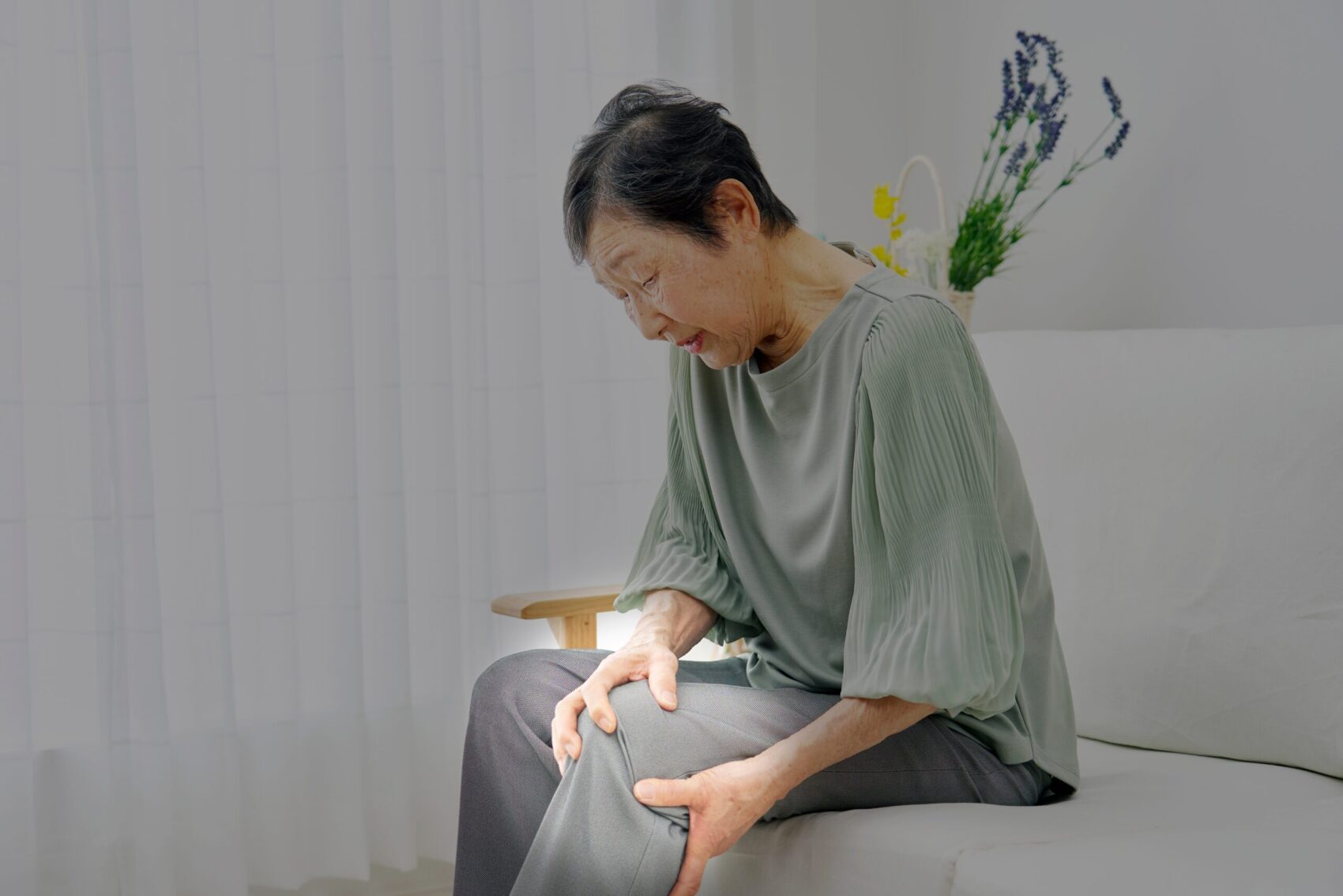
Key Summary:
Arthritis affects 1-2% of adults with inflammatory flares in multiple joints, unlike general joint pain impacting over 30% from wear or strains—specialists differentiate via blood tests and imaging for 80-90% accurate diagnosis. Over 70% of patients see reduced pain and better mobility with targeted treatments like injections or medications at Specialist Pain International Clinic with Dr. Nicholas Chua in Singapore.
Prolonged joint discomfort disrupts daily life for millions—over 30% of adults experience it, yet many confuse inflammatory arthritis with simpler wear-and-tear pain. Arthritis strikes about 1-2% of the population, often younger working adults or those with family history, while general joint pain hits active people over 50 or desk workers twice as often. Specialists pinpoint the root cause to deliver relief where self-care falls short, helping over 70% regain function.
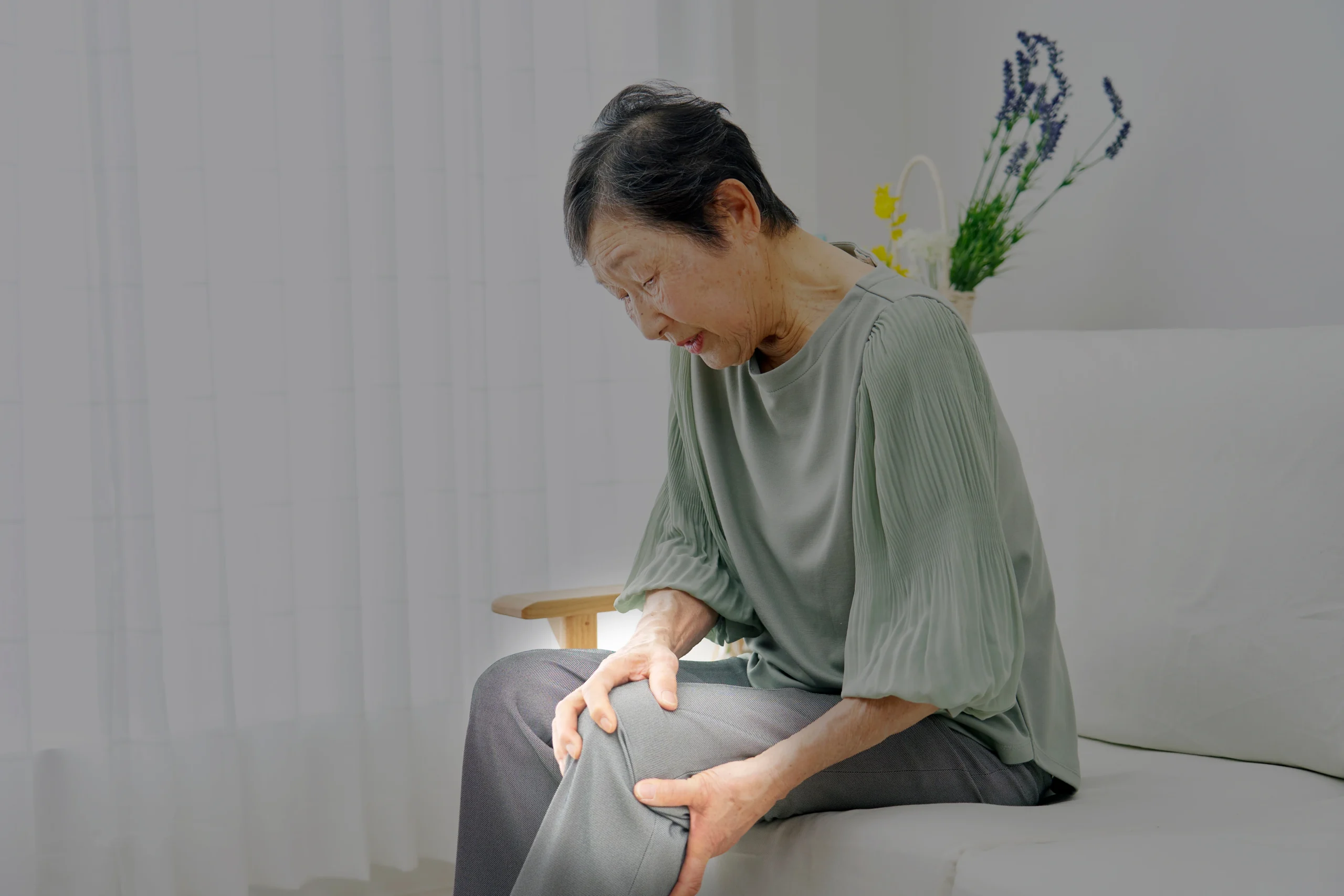
Joint Basics for Everyday Understanding
Your knees, hips, and hands rely on smooth cartilage and fluid for movement. General pain comes from overuse or gradual wear, affecting one spot at a time. Arthritis involves widespread inflammation, hitting multiple joints and over 40% of cases in women due to hormonal factors.Who Gets Arthritis vs General Joint Pain
Everyday Joint Pain: Common in Active Adults
Over 30% of people over 50 report knee or hip aches from walking, sports, or desk slouching—twice as likely in those carrying extra weight. It eases with rest, impacting professionals who stand or sit long hours, with 2-3x higher rates in high-stress jobs.Arthritis: Hits Families and Specific Groups
Rheumatoid arthritis affects 1% of adults, often starting in 30s-50s, with women 2-3 times more likely; gout strikes men over 40 after rich meals or dehydration, causing sudden flares in 4% of cases. Over 70% of undiagnosed patients wait years, worsening daily tasks.Key Study Findings on Real-World Impact
Clinical reviews show over 70% of arthritis patients improve with early specialist care versus 40% on basic rest alone. General joint pain responds in 60% to physio, but 2x more need injections if wear progresses. Gout attacks drop over 80% with targeted drugs in first weeks.Symptoms That Point to the Real Issue
- – Warm, red swelling across joints: Affects 60% of arthritis cases, not typical strains.
- – Stiffness lasting over an hour mornings: Seen in 70% with inflammatory types.
- – Fatigue or low fever: Hits over 50% of arthritis patients; local ache stays mechanical.
- – One-sided activity pain: Common in 80% of general cases.
Proven Relief Strategies
Start Simple at Home
Rest and ice help 50-60% of general pain in days; weight loss cuts knee strain 4x for over 70% of wear cases. Gentle stretches ease early arthritis for 40%.Specialist Diagnosis and Fixes
Blood tests and scans confirm issues in 80-90% of visits—quick clarity for confused patients. Injections bring 3-6 months relief to 75%; arthritis drugs achieve remission in over 60%.| Approach | Who Benefits Most | Proven Results |
| Joint Injections | OA/general pain (75%) | 70% pain drop, 3-6 months |
| Arthritis Medications | RA/gout patients | 60% remission, sustained |
| Imaging/Blood Tests | Unclear cases | 80-90% accurate diagnosis |
| Physio + Lifestyle | Early wear/arthritis | 50% better mobility |
References
- Epidemiology and burden of gout. Available at: https://pmc.ncbi.nlm.nih.gov/articles/PMC4984840/
- International Journal of Community Medicine and Public Health. Gout prevalence study. Available at: https://www.ijcmph.com/index.php/ijcmph/article/view/9338
- Choi HK, et al. Epidemiology of gout. Curr Opin Rheumatol. Available at: https://pubmed.ncbi.nlm.nih.gov/16855148/
- Gout Education Society. Gout Across Genders: Prevalence, Diagnosis and Management. Available at: https://gouteducation.org/gout-across-genders-prevalence-diagnosis-and-management/
- Annals of the Rheumatic Diseases. Gout epidemiology abstract. Available at: https://ard.bmj.com/content/77/Suppl_2/1290.1
- Wallace KL, et al. Increasing prevalence of gout and hyperuricemia. J Rheumatol. Available at: https://pubmed.ncbi.nlm.nih.gov/11690569/
- Global epidemiology and risk factors of gout. Available at: https://pmc.ncbi.nlm.nih.gov/articles/PMC8862091/
- The Rheumatologist. How to Reduce Gout Flares. Available at: https://www.the-rheumatologist.org/article/how-to-reduce-gout-flares/
- Clinical research on gout pathophysiology and management. Available at: https://pmc.ncbi.nlm.nih.gov/articles/PMC10460484/
- Research on musculoskeletal pain mechanisms. Available at: https://pmc.ncbi.nlm.nih.gov/articles/PMC8808783/