Mt. Elizabeth Novena Medical Centre 38 Irrawaddy Road, #09-43 Singapore 329563
Mt. Elizabeth Novena Medical Centre 38 Irrawaddy Road, #09-43 Singapore 329563

Mt. Elizabeth Novena Medical Centre 38 Irrawaddy Road, #09-43 Singapore 329563
Mt. Elizabeth Novena Medical Centre 38 Irrawaddy Road, #09-43 Singapore 329563

Medically reviewed by Dr Nicholas Chua
Medical Director and Consultant in Pain Medicine and Anaesthesiology,
Specialist Pain International.
About Dr Chua · Research & Professional Contributions
Symptoms: Back or leg pain may continue after surgery or return after initial improvement.
Diagnosis: Your doctor will review your surgical history, examine you and decide whether further investigations could guide treatment.
Treatment: Care depends on the likely pain source, previous treatments and your goals for daily life.
Recovery: There is no single treatment or recovery timeline that applies to everyone.
Post-laminectomy syndrome describes persistent or recurring back or leg pain after spinal surgery. It is sometimes called “failed back surgery syndrome”, but the name does not necessarily mean that the operation failed.
Pain after surgery can have several contributing causes. Assessment helps determine whether you need further surgical review, rehabilitation, medication review or a selected pain procedure. Another operation is not automatically required.
Seek emergency assessment for new difficulty passing urine, loss of bladder or bowel control, numbness around the genitals or anus, or new severe or rapidly worsening leg weakness. Do not wait for a routine appointment.
If you have recently had back surgery and develop a fever, redness or discharge around the wound, or pain that is getting worse quickly, contact your surgical team urgently. If you cannot reach them, seek care at an emergency department.
Post-laminectomy syndrome is a term used for ongoing pain after spinal surgery. A laminectomy removes part of a vertebra to create more space around spinal nerves, although the term is sometimes used more broadly after other lumbar operations.
You may also hear “chronic pain after spinal surgery” or “persistent spinal pain syndrome type 2”. Terminology varies, and these labels do not identify the cause of an individual’s pain. Early pain during healing is not automatically the same condition.
Pain may persist because surgery treats a particular problem while other contributors remain. Possible explanations include ongoing nerve-related pain, persistent or recurrent nerve compression, pain involving discs or joints, muscle-related pain, or changes in how your spine carries weight and moves.
Persistent pain after back surgery can have several causes, and more than one may contribute to your symptoms. Your doctor will assess what is causing your pain before recommending treatment.
Not necessarily. Surgery may successfully relieve pressure on a nerve, but some pain can remain. Persistent pain does not automatically mean the operation failed, but it should still be assessed.
Tell your doctor if your pain has stayed the same since surgery, returned after initially improving, or changed in how it feels. New or worsening pain should be checked to see whether there is a cause that needs treatment.
Assessment combines your current symptoms, examination and surgical records. Your doctor will ask what the operation was intended to treat and how your symptoms changed afterwards.
It helps to explain:
Your doctor may check how you walk and move your back, as well as the strength, feeling and reflexes in your legs. They will also ask how the pain affects your daily activities. Depending on what they find, they may recommend further tests or a review with your surgeon.c
MRI may help investigate recurrent disc problems, nerve compression or postoperative changes. Other imaging may be useful for questions about bone, spinal alignment or surgical implants.
However, a scan does not always explain the pain. Scar tissue or another finding should not automatically be treated as the cause. Your doctor will consider whether it matches your symptoms and examination.
Medication may be considered alongside rehabilitation. The choice depends on your health, other medicines and the likely benefits and risks. Treatment should be reviewed if it is ineffective or causes troublesome side effects. The NICE’s low-back-pain guideline supports exercise-based care and careful medication selection for chronic low back pain.
Treatment aims to improve symptom control and daily function. Your goals might include sleeping more comfortably, walking further or returning to work. Care may involve several approaches rather than one procedure.
Rehabilitation may include exercises to improve movement, strength and activity tolerance. The programme should account for your operation, current symptoms and surgical precautions.
Support with pacing, sleep and confidence in movement can also be part of care. This does not mean the pain is imagined.
The medicines your doctor recommends will depend on what is causing your pain, your medical history and any medicines you already take. Options may include:
Your doctor will review whether the medicine helps you sleep, move and manage daily activities, as well as whether it causes side effects. If it is not helping, the treatment plan should be reconsidered. Do not stop prescribed medicines suddenly without advice, as some need to be reduced gradually.
Injections can help relieve pain after back surgery and give your doctor more information about where the pain is coming from. Depending on your symptoms, options may include:
If a medial branch block provides substantial relief, radiofrequency ablation may be considered. This procedure uses heat to interrupt pain signals from the nerves supplying the affected joints.
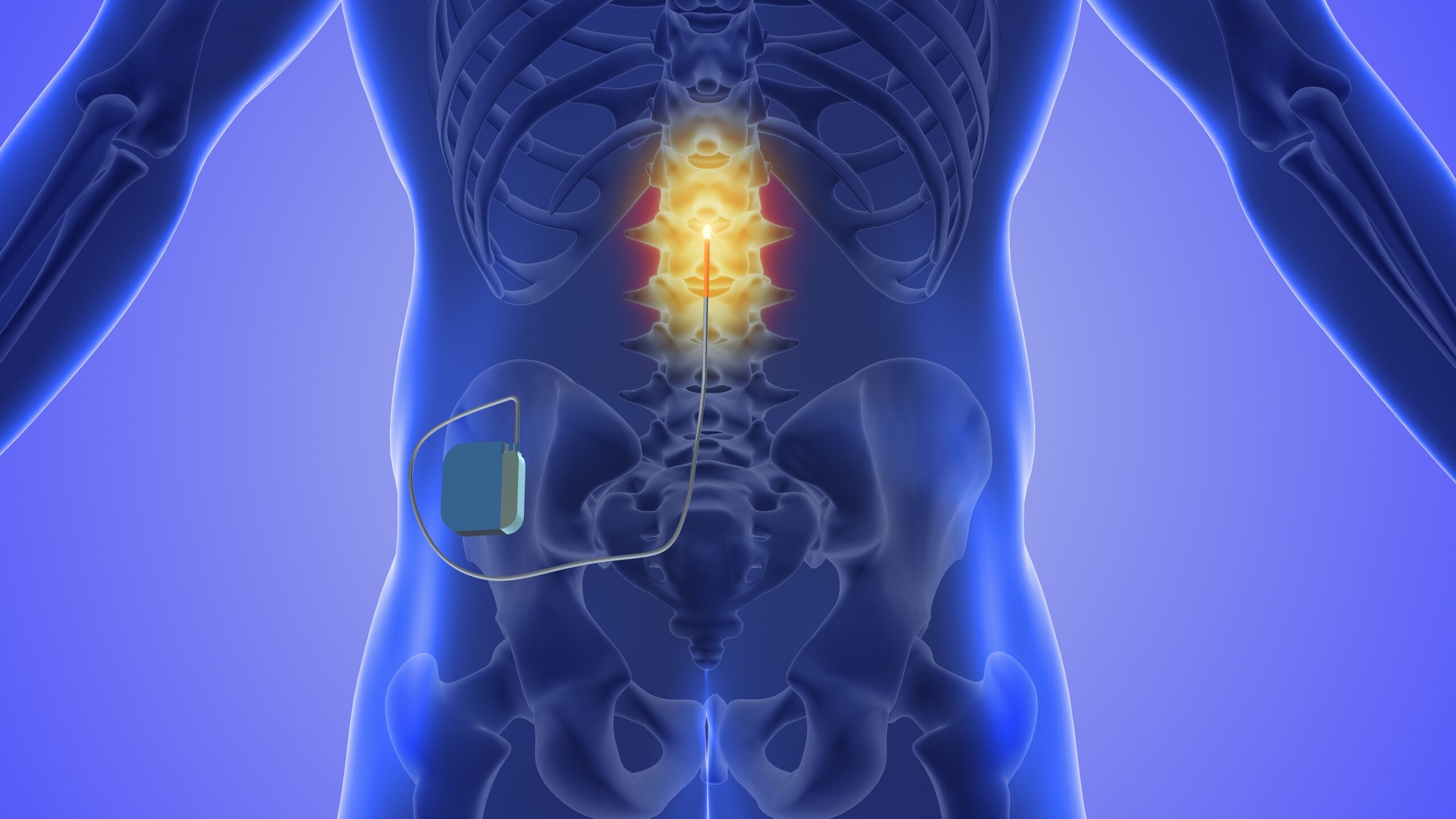
Spinal cord stimulation uses a small device to deliver gentle electrical pulses through thin wires placed near the spinal cord. These pulses change how pain signals are processed and can bring relief to some people with persistent nerve pain after back surgery, particularly when other treatments have not provided enough relief.
Before treatment, a multidisciplinary team – healthcare professionals experienced in managing persistent pain – assesses whether spinal cord stimulation is suitable for you. A temporary trial lets you see how it affects your pain and daily activities before deciding on a permanent implant. If the trial provides sufficient relief and you wish to proceed, the device can be implanted under the skin for ongoing use. This assessment and trial approach follows
Explore pain treatment options at Specialist Pain International.
Not everyone with persistent pain after back surgery needs another operation. Your doctor will first assess what is causing the pain. If there is a problem that further surgery could help, such as pressure on a nerve or instability in the spine, your surgeon may discuss another operation with you.
Your surgeon and pain specialist can work together to explain your options and recommend the next step.
Dr Nicholas Chua has co-authored research on cervicogenic headache, including a study of pulsed radiofrequency treatment targeting the C1–2 joint in patients with headaches following whiplash. This joint sits between the top two vertebrae in the neck and can contribute to headache in some patients. Whether it is involved—and whether treatment is appropriate—requires an individual assessment.
Read more about Dr Chua’s research and professional contributions.
Bring your operation report or discharge summary, previous scan reports, medication list and details of treatments tried. It also helps to note when your pain started, whether it improved after surgery, and when it returned or changed. Tell your doctor what you would most like help with, such as sleeping comfortably, walking further or sitting through a workday. These details help make the discussion specific to your needs.
If lower back pain is affecting your daily life, arrange an assessment with Dr Nicholas Chua at Specialist Pain International.
This information cannot determine the cause of an individual’s back pain. New or concerning symptoms require medical assessment.
Leave your details in the form below and the Specialist Pain International team will get back to you shortly.
Leave your details in the form below and the Specialist Pain International team will get back to you shortly.
Still unsure if you should see a pain specialist for your pain? We address some common questions about resolving pain and what we do below. Click the various questions to find out more!
Both terms are commonly used to describe persistent or recurring back or leg pain after spinal surgery. Despite its name, “failed back surgery syndrome” does not necessarily mean the operation failed or that your surgeon made a mistake. Your doctor will assess why you are still experiencing pain and what treatment could help.
Some pain and stiffness are expected while you heal. How long recovery takes depends on the operation you had, your health and your surgeon’s recovery plan.
Speak to your surgical team if your pain is getting worse, returns after improving, or is making recovery difficult. New weakness, difficulty passing urine or loss of bladder or bowel control needs urgent medical attention.
Yes. While the name refers to a laminectomy, the term is also used for persistent pain after other back operations, including discectomy and spinal fusion. Your doctor will consider the type of surgery you had and how your symptoms have changed when planning treatment.
Pain can return for several reasons, including a new or recurrent disc problem, irritation around a nerve, or pain from nearby joints and muscles. It does not always mean the original problem has returned.
Tell your doctor when the pain restarted, whether it feels different, and whether you have developed numbness or weakness.
Scar tissue forms naturally as the body heals. In some people, it may irritate or affect a nearby nerve and contribute to pain. However, scar tissue seen on an MRI is not always painful. Your doctor will check whether the scan findings match your symptoms before recommending treatment.
Your pain is real even if an MRI does not show a clear cause. Scans cannot explain every type of pain, including some pain related to nerves, muscles or movement.
Your doctor will also consider your symptoms, examine you and review previous treatments to work out what could help.
Nerve pain after surgery is not always permanent. Some nerves recover gradually, while others remain sensitive or have lasting damage. Your doctor can help explain the likely cause and what to expect. Treatment may help reduce pain and make daily activities easier while your recovery is monitored.
Yes. A pain specialist can assess your symptoms and discuss ways to manage pain without another operation. These may include physiotherapy, medicines, injections or other targeted treatments. Your pain specialist can also work with your surgeon to support your ongoing care.
Yes, some people experience less pain and find daily activities easier with treatment. The most suitable approach depends on what is causing your symptoms and may involve a combination of rehabilitation, medicines and targeted procedures.
Treatment can focus on goals that matter to you, such as sleeping better, walking further or returning to work.
Spinal cord stimulation can help some people with persistent nerve pain after back surgery. An assessment and temporary trial help determine whether it is a suitable option for you.
During the trial, you can assess how much relief it provides and whether everyday activities become easier. If it helps sufficiently and you wish to continue, you can discuss a permanent implant with your treatment team.

Specialist Pain International treats acute, chronic, and cancer pain with expert diagnosis, therapies, and patient-first care for faster recovery.
Explore
Address
Mt. Elizabeth Novena Medical Centre 38 Irrawaddy Road, #09-43 Singapore 329563
Operating Hours
Contact
WhatsApp us