
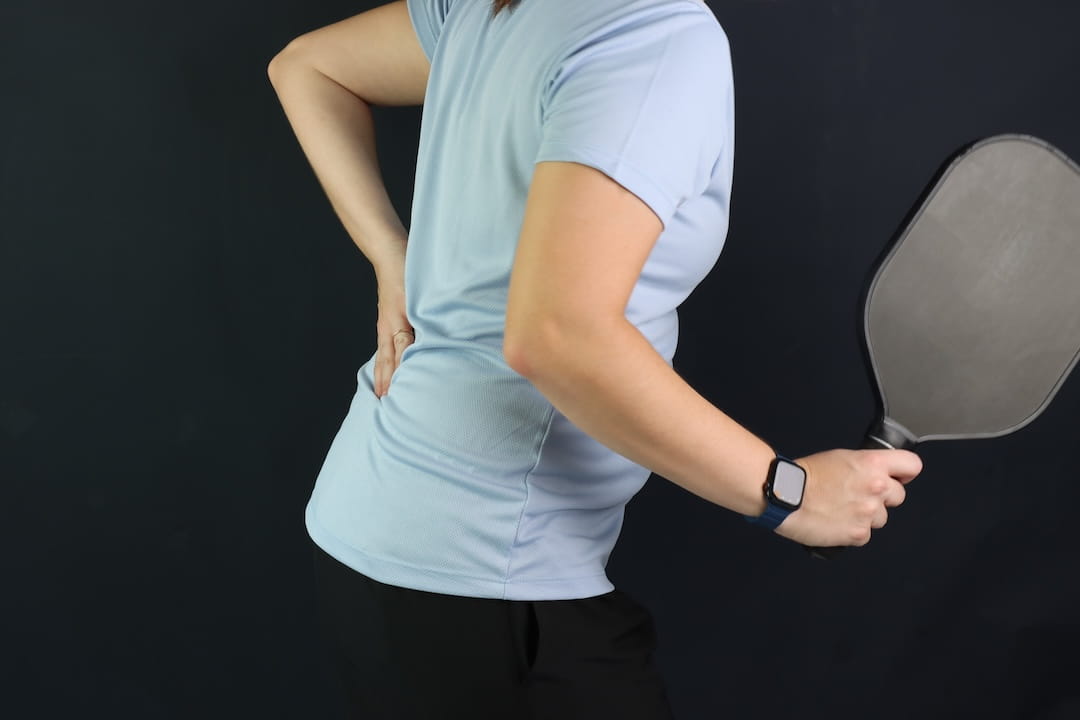
Rapid paddle sports like pickleball frequently cause neck, shoulder, and lower back pain from repetitive overhead motions, quick pivots, and poor warm-ups—common in Singapore’s growing player base. Imagine returning to the court swinging freely without sharp twinges limiting your game—mastering these injury patterns empowers better play and recovery. This guide covers causes, symptoms, and approaches aligned with pain medicine expertise for acute and chronic issues.
Pickleball Biomechanics and Risk Areas
Pickleball demands overhead smashes, lateral lunges, and torso twists, stressing the cervical spine, rotator cuff, and lumbar facets. Rotator cuff tendons endure high eccentric loads during serves (up to 1.5x body weight force), while neck extensors activate rapidly for tracking balls. Lower back hyperextension from dinks risks disc strain, especially in players over 40 with degenerative changes.
Common Injury Mechanisms
Shoulder Injuries (Rotator Cuff and Impingement)
Overhead reaches irritate supraspinatus tendons, leading to tendinopathy or partial tears—60-70% of pickleball shoulder complaints per sports medicine reports. Impingement occurs when inflated bursae pinch during abduction, worsened by poor paddle grip or fatigue.
Neck and Upper Back Strain
Sudden head turns and whip-like serves strain levator scapulae and trapezius, causing myofascial pain or cervicogenic headaches. Rapid stops create shear forces on C4-C7 facets, mimicking whiplash in 20-30% of acute cases.
Lower Back Overload
Twisting volleys compress L4-L5 facets and discs, while lunges increase anterior shear—explaining 25% of persistent pain in recreational players.
Evidence from Sports Injury Data
- Rotator cuff issues rise 2-3x with >3 sessions/week without recovery, per orthopaedic reviews.
- Neck pain correlates with inadequate shoulder mobility (OR 2.1 in racket sports).
- Combined injuries affect 40% of players, with early intervention preventing chronicity.
Symptoms Signalling Specialist Review
Sharp overhead pain, night wakening, weakness lifting a paddle, or radiating arm numbness indicate tendon or nerve issues. Neck stiffness limiting rotation, headaches post-play, or low back pain with bending forward warrant assessment.
Prevention and Management Strategies
Warm-Up and Technique Fixes
Dynamic neck circles, band rows, and core planks (3×10) prep stabilisers—reducing injury risk 40-50%. Neutral wrist alignment cuts shoulder torque.
Recovery Techniques
RICE (Rest, Ice, Compression, and Elevation) protocol post-play, followed by eccentric rotator cuff exercises (e.g., external rotations). Foam rolling eases trapezius trigger points.
| Strategy | Target Area | Evidence Benefit |
|---|---|---|
| Pendulum Swings | Shoulder Mobility | 30% pain drop |
| Chin Tucks | Neck Stability | Acute relief |
| Side Planks | Low Back/Core | 50% recurrence cut |
Specialist Pain International Clinic (SPI) in Singapore offers evaluation for pickleball-related pain conditions, including neck, shoulder, and lower back issues. Treatment plans may include medical therapy, image-guided procedures, physical therapy, and rehabilitation support.
Tired of pickleball pain sidelining your game? Ready to reclaim your court time without nagging shoulder, neck, or back tension? Schedule an assessment with a pain specialist today!