
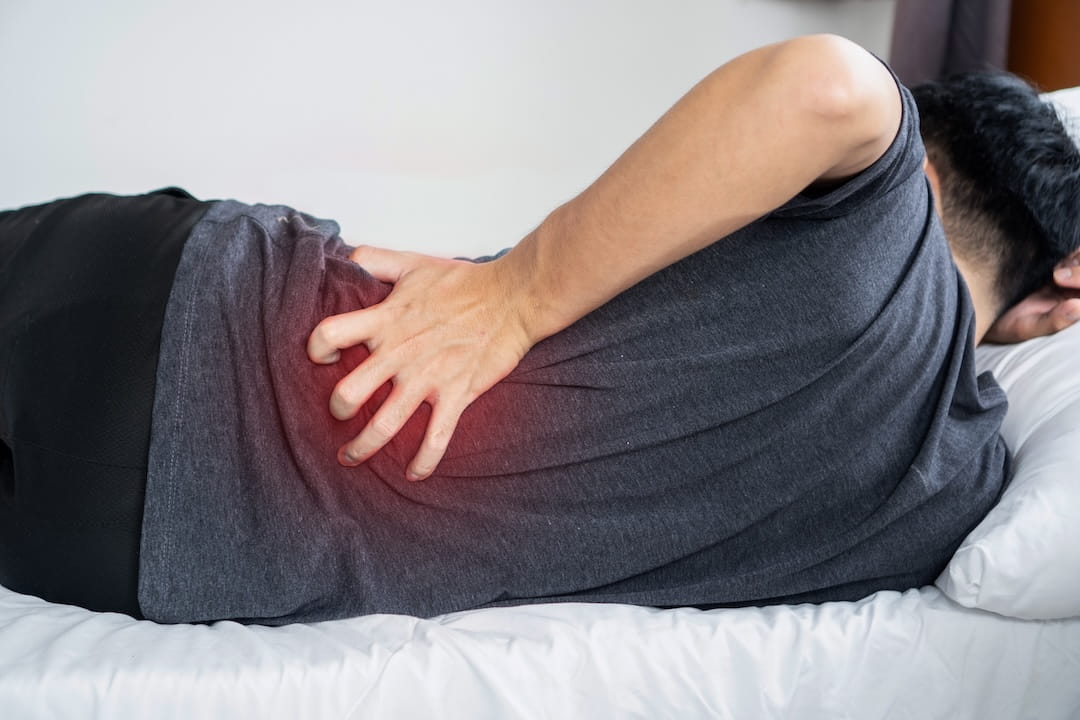
Sciatica is a common cause of lower back and leg pain, resulting from irritation or compression of the sciatic nerve. The sciatic nerve is the largest nerve in the body, originating in the lower back and running through the buttocks, down the legs, and into the feet. It plays a crucial role in sensation, muscle strength, and movement of the lower limbs.
Sciatica pain occurs when the sciatic nerve, or the nerve roots that form it, becomes compressed or inflamed. Effective sciatica treatment focuses on relieving this nerve compression, reducing inflammation, and restoring normal nerve function.
What Is Nerve Pain and Neuropathic Pain?
Nerve pain, also known as neuropathic pain, arises from damage or dysfunction of the nervous system. It is often described as a stabbing, burning, stinging, or electric shock–like sensation. Neuropathic pain can be intermittent or constant and may range from mild to severe.
Unlike typical musculoskeletal pain, neuropathic pain does not always resolve on its own and is frequently chronic. It occurs when nerves are injured, compressed, or malfunction, sending abnormal pain signals to the brain.
A well-known example of neuropathic pain is phantom limb pain, where individuals experience pain sensations from a limb that has been amputated. Although the limb is no longer present, the brain continues to receive pain signals through the affected nerves.
Causes of Neuropathic Pain
Neuropathic pain may sometimes occur without an obvious cause. However, several conditions are known to increase the risk of nerve-related pain.
- Alcohol-related nerve damage
- Amputation
- Chemotherapy-related nerve injury
- Diabetes
- Facial nerve disorders
- HIV infection
- Multiple myeloma
- Multiple sclerosis
- Nerve or spinal cord compression from disc herniation or spinal arthritis
- Shingles
- Spinal surgery
- Syphilis
- Thyroid disorders
Symptoms of Neuropathic Pain
- Stabbing, burning, or stinging pain
- Tingling or “pins and needles” sensations
- Numbness or altered sensation
Diagnosing Neuropathic Pain
Diagnosing neuropathic pain begins with a detailed clinical assessment by a pain specialist. Your doctor will ask about the nature of your pain, when it occurs, and whether specific activities or positions trigger symptoms.
A physical examination is performed to assess nerve function, muscle strength, reflexes, and sensory changes. Your specialist may also review potential risk factors and recommend further investigations.
Diagnostic tests may include blood tests, nerve studies, and imaging such as MRI or CT scans to identify nerve compression or underlying causes.
Neuropathic Pain Treatment
Neuropathic pain often requires a different treatment approach from standard pain conditions. Medications commonly used include anticonvulsants and antidepressants, which help regulate abnormal nerve signalling.
Non-steroidal anti-inflammatory drugs (NSAIDs) may provide relief in some cases, while others may require stronger pain medications. If an underlying condition such as diabetes is contributing to nerve damage, managing that condition effectively is essential to controlling symptoms and preventing further nerve injury.
For patients with persistent or severe neuropathic pain, interventional treatments may be considered. These include minimally invasive procedures or implantable devices that use electrical stimulation to modulate nerve signals and reduce pain.
Alternative and supportive therapies may also help reduce neuropathic pain:
- Physical therapy
- Counselling and psychological support
- Relaxation therapy
- Massage therapy
- Acupuncture
Because neuropathic pain responds poorly to standard pain treatments alone, a multidisciplinary approach that integrates multiple therapies often provides the best outcomes.
When to See a Doctor for Sciatica or Nerve Pain
Sciatica can be difficult to identify because its symptoms overlap with other spinal conditions. Pain typically radiates from the lower back into the buttock and down the leg, often affecting only one side. Tingling, numbness, or weakness in the leg may also occur.
You should seek medical attention for sciatica pain if:
- Self-care measures and over-the-counter medications do not help
- Pain is severe or progressively worsening
- Pain is sudden and associated with numbness or weakness
- Pain follows a traumatic injury
- You experience difficulty controlling bowel or bladder function
These symptoms may indicate significant nerve compression and require urgent medical evaluation.
What to Expect During a Sciatica Pain Treatment Appointment
During your consultation at Specialist Pain International, your pain specialist will review your symptoms, medical history, and pain severity. Imaging tests may be ordered to confirm the cause of sciatica and rule out other conditions.
An accurate diagnosis allows your doctor to design a personalised sciatica treatment plan tailored to your condition, overall health, and treatment goals.
Conservative Sciatica Pain Treatment
Most sciatica treatment plans begin with conservative, non-surgical approaches. Procedural or surgical options are only considered if these measures fail to provide adequate relief.
- Limited rest: Short periods of rest may help relieve pain, but prolonged inactivity can worsen symptoms
- Medications: NSAIDs, muscle relaxants, or oral steroids may be prescribed to reduce inflammation and pain
- Physical therapy: Structured exercises and stretching help relieve nerve compression and prevent recurrence
- Steroid injections: Targeted injections may reduce inflammation around the sciatic nerve
- Targeted disc decompression: In selected cases, radiofrequency techniques may be used to reduce disc-related nerve compression
Surgical Sciatica Pain Treatment
Surgery is considered only for severe cases of sciatica that do not improve after several weeks of conservative treatment or when significant nerve damage is present.
- Microdiscectomy or endoscopic discectomy: Removal of the herniated portion of a disc compressing the sciatic nerve
- Laminectomy: Removal of part of the vertebral bone to relieve nerve compression
Recovering From Sciatica Pain
Recovery time depends on the severity and cause of sciatica, as well as the treatment approach used. Many patients improve within six weeks with conservative care.
After surgical treatment, following post-procedure instructions and engaging in appropriate rehabilitation is essential for safe recovery and long-term symptom control.
To reduce the risk of recurrence, maintaining good posture, strengthening back and core muscles, and using proper lifting techniques are important.
While neuropathic pain can be challenging to treat, a comprehensive and multidisciplinary pain management strategy can significantly improve symptoms, function, and quality of life.