
Chronic pain can persist even after medication, physiotherapy, injections, or surgery. For some patients, pain continues not because of ongoing tissue damage, but due to abnormal pain signalling within the nervous system. In such cases, conventional treatments may no longer provide sufficient relief.
A spinal cord stimulator (SCS) is an advanced pain management option designed to help reduce chronic nerve-related pain by modulating pain signals before they reach the brain.
What Is a Spinal Cord Stimulator?
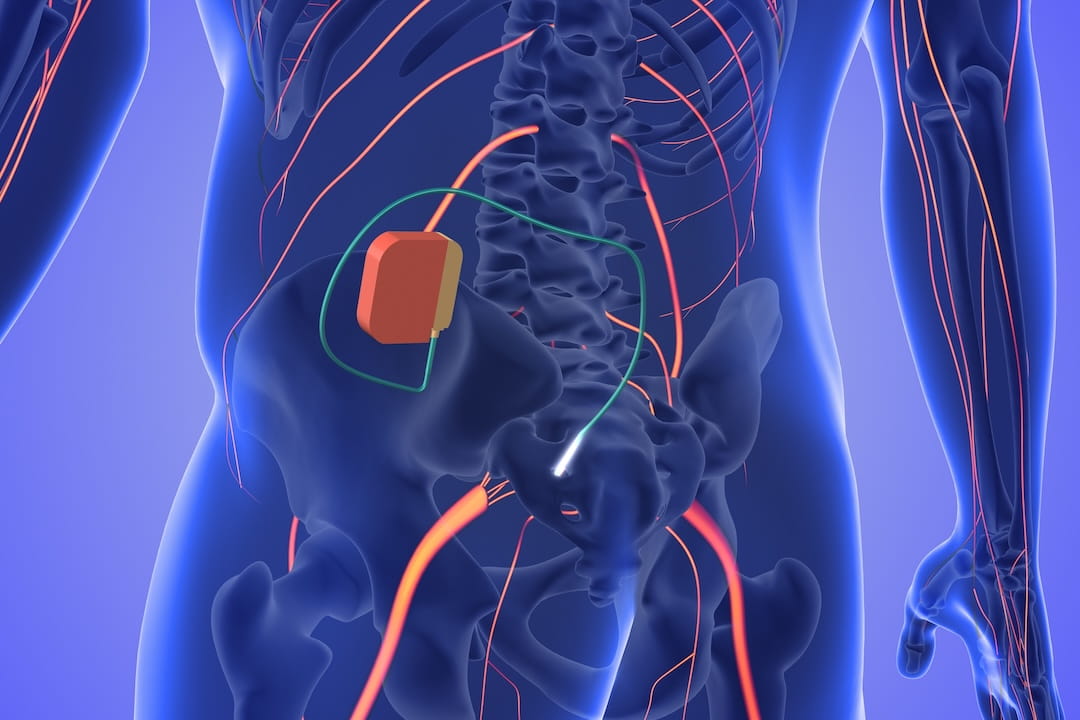
A spinal cord stimulator is a small, implantable medical device that delivers low-level electrical impulses to the spinal cord. These impulses interfere with pain signals travelling from the nerves to the brain, helping to reduce the perception of pain.
Rather than treating the source of injury directly, spinal cord stimulation focuses on how pain is processed within the nervous system. This makes it particularly useful for chronic neuropathic pain that does not respond well to standard treatments.
How Spinal Cord Stimulation Works
Pain signals normally travel from the body through the spinal cord to the brain, where they are interpreted as pain. A spinal cord stimulator modifies this pathway.
Mechanism of Action
- Thin electrical leads are placed near the spinal cord
- The device delivers controlled electrical pulses
- Pain signals are altered or masked before reaching the brain
- The brain perceives less pain or a different sensation
Modern spinal cord stimulators use advanced waveforms and programming options that aim to reduce pain without causing uncomfortable sensations.
Conditions That May Benefit From Spinal Cord Stimulation
Spinal cord stimulation is not intended for all types of pain. It is typically considered for chronic pain conditions that have not responded adequately to conservative or interventional treatments.
- Chronic neuropathic pain
- Failed back surgery syndrome
- Persistent leg or arm pain after spine surgery
- Complex regional pain syndrome (CRPS)
- Chronic radicular pain (nerve-related pain)
The Spinal Cord Stimulator Trial
Before a permanent spinal cord stimulator is implanted, patients typically undergo a trial period. This allows both the patient and the pain specialist to assess whether spinal cord stimulation provides meaningful pain relief.
What Happens During the Trial
- Temporary leads are placed near the spinal cord
- The stimulator is worn externally for several days
- Pain levels and functional improvement are monitored
- The trial is removed after the assessment period
If significant pain relief and functional improvement are achieved during the trial, a permanent implant may be considered.
Permanent Spinal Cord Stimulator Implantation
Permanent implantation involves placing the leads near the spinal cord and implanting a small pulse generator under the skin, usually in the lower back or buttock region.
The procedure is minimally invasive and typically performed under sterile conditions. Patients can adjust stimulation settings using an external controller, allowing personalised pain control.
Advantages of Spinal Cord Stimulation
Compared to long-term medication use or repeat invasive procedures, spinal cord stimulation offers several potential benefits for selected patients.
- Targeted management of chronic nerve pain
- Reduced reliance on pain medications
- Customisable and adjustable therapy
- Reversible and trial-based treatment
Recovery and Life With a Spinal Cord Stimulator
After implantation, patients are advised to limit strenuous activity for a short period to allow healing. Most people can gradually return to normal daily activities under the guidance of their pain specialist.
Regular follow-up appointments allow device settings to be optimised over time, ensuring ongoing pain control as needs change.
Who Is Suitable for Spinal Cord Stimulation?
Careful patient selection is essential for successful outcomes. Spinal cord stimulation may be considered if:
- Pain has persisted for several months or longer
- Conservative and interventional treatments have failed
- Pain is predominantly nerve-related
- A trial stimulation provides meaningful relief
A thorough evaluation by a pain specialist is necessary to determine whether spinal cord stimulation is appropriate.
The Bottom Line
- Spinal cord stimulation targets how pain signals are processed
- It is used for chronic nerve-related pain conditions
- Treatment includes a trial before permanent implantation
- Careful assessment improves long-term outcomes
At Specialist Pain International, spinal cord stimulation is offered as part of a comprehensive pain management strategy focused on accurate diagnosis, minimally invasive solutions, and long-term quality of life improvement.